
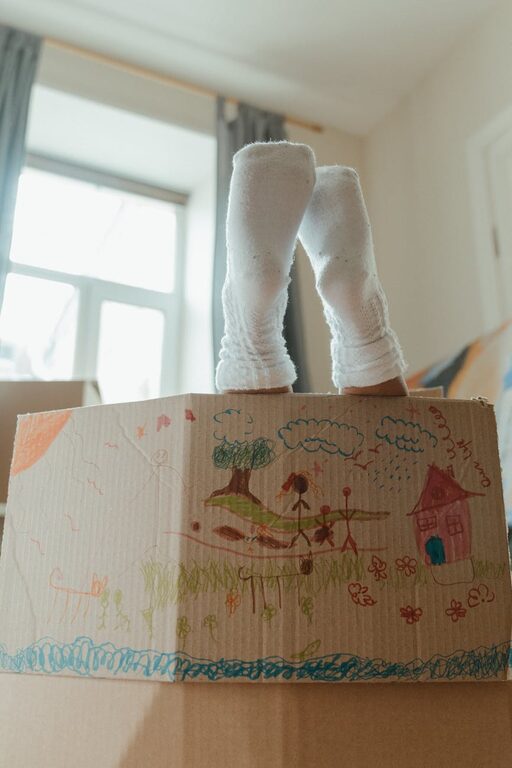
Children’s art is a wonderful expression of their creativity and imagination. From colorful drawings to handprint crafts, these pieces often hold sentimental value for parents. However, as the collection grows, it can quickly become overwhelming and difficult to manage. Keeping kids’ artwork organized not only preserves memories but also helps maintain a tidy and clutter-free home. In this post, we’ll share practical tips and creative ideas for organizing and storing your child’s masterpieces effectively.
Why Organizing Kids’ Art Matters
Before diving into the tips, it’s important to understand why organizing kids’ art can be beneficial:
– Saves space: Art projects tend to pile up quickly, taking over drawers, counters, and refrigerators.
– Preserves memories: Proper storage protects the artwork from damage, fading, and loss.
– Encourages creativity: Having a dedicated display or organization system can motivate kids to create more.
– Reduces clutter: A neat system makes tidying up easier for both parents and children.
Tips for Organizing Kids’ Artwork
1. Establish a Display Area
Creating a special spot to showcase your child’s current work helps highlight their creativity and keeps artwork visible without cluttering the entire house.
– Use a corkboard or bulletin board: Pin up recent drawings and rotate them regularly.
– String and clip display: Hang a string or wire on the wall and use clothespins to attach pieces.
– Magnetic boards or fridge magnets: Keep art in plain sight using magnets, swapping pieces as needed.
2. Create a Filing System
Storing artwork in labeled folders or files makes it easier to sort and retrieve later.
– Use an accordion file or portfolio: Assign each child a folder with dated sections.
– Categorize by type or date: Group paintings, school projects, and seasonal crafts separately.
– Label clearly: Include dates and titles if possible for future reference.
3. Digitize the Artwork
Taking photos or scanning children’s art creates digital backups that save space and can be shared with family members.
– Use a smartphone or scanner: Capture high-quality images with good lighting.
– Organize photos on your computer: Create folders by year, child’s name, or theme.
– Make digital albums or slideshows: Share creations in a fun and accessible way.
4. Select and Save the Best Pieces
It’s impossible to keep every single artwork item. Choose favorites to save and consider recycling or gifting the rest.
– Involve your child: Let them pick their favorite artworks for keeping.
– Set limits: Decide on a fixed number of pieces to retain per month or school term.
– Make a keepsake box: Store saved pieces in a decorative box or container.
5. Repurpose Artwork Creatively
Turn art into useful or decorative items to enjoy the creations in new forms.
– Create greeting cards or wrapping paper: Use larger drawings as unique paper goods.
– Make art books: Bind selected artwork into a homemade scrapbook.
– Frame special pieces: Highlight exceptional works in simple frames to decorate your home.
6. Schedule Regular Cleanups
Routine sorting and organizing prevent artwork from piling up and becoming overwhelming.
– Set a monthly or seasonal date: Review and organize all new art periodically.
– Use cleanup time as a teaching moment: Encourage kids to decide what to keep or recycle.
– Update displays and storage: Refresh information and rotate pieces frequently.
7. Use Storage Solutions Designed for Art
Specialized storage options can provide effective and attractive ways to keep art safe.
– Art portfolios: Available in many sizes, these keep flat pieces organized.
– Expandable files or binders: Great for smaller works and papers.
– Plastic bins or drawers: Label to distinguish children or project types and stack for easy access.
Final Thoughts
Organizing your kids’ artwork doesn’t have to be stressful or time-consuming. With a little planning and creativity, you can create systems that honor your child’s artistic efforts while keeping your living space neat and orderly. Displaying, filing, digitizing, and selectively saving art encourages both your child’s expression and your home’s tidiness. Try combining a few of the tips above and see what works best for your family!
Have you found clever ways to organize your children’s artwork? Share your ideas in the comments below!