
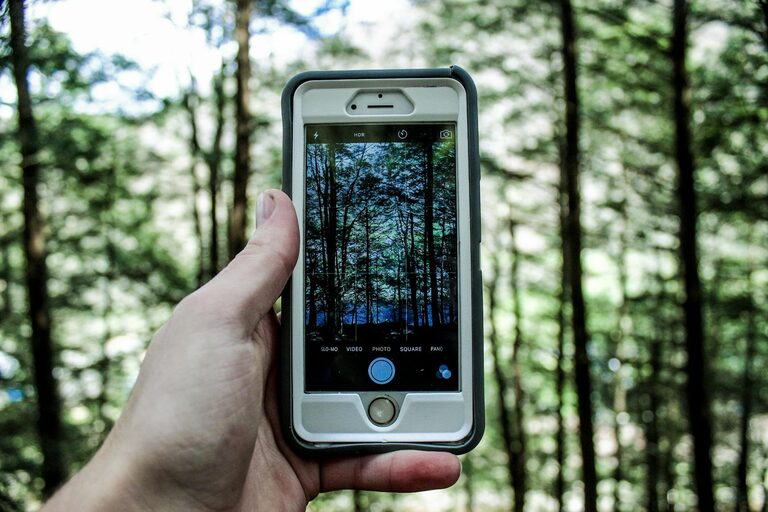
Taking great photos with your phone doesn’t require expensive equipment or professional training. With a few easy tips and a bit of practice, anyone can improve their mobile photography and capture beautiful images. Whether you’re snapping pictures of your travels, food, or everyday life, these beginner-friendly ideas will help you make the most out of your phone camera.
Understand Your Phone Camera Basics
Before diving into creative techniques, it’s important to get familiar with your phone’s camera features.
– Explore the camera app: Check out all available modes like portrait, panorama, or night mode.
– Adjust focus and exposure: Tap on the subject on your screen to focus and often adjust brightness.
– Use gridlines: Enable gridlines in settings to help you apply the rule of thirds for better composition.
– Keep the lens clean: Wipe your lens regularly to avoid blurry or hazy photos.
Getting comfortable with these basics is the first step toward taking sharper, more visually appealing pictures.
Focus on Composition
Composition is how you arrange elements in your photo. Good composition makes your images more engaging.
Use the Rule of Thirds
Divide your screen into a 3×3 grid and place your subject along these lines or their intersections. This creates balance and guides the viewer’s eye naturally.
Look for Leading Lines
Lines like roads, fences, or bridges can lead the viewer toward the focal point, adding depth and interest.
Frame Your Subject
Use natural frames like windows, doorways, or foliage to focus attention on the subject and add context.
Simplify Your Scene
Remove clutter by changing your angle or moving closer. A simple background lets your subject stand out.
Pay Attention to Lighting
Lighting can make or break a photo. Luckily, your phone handles light pretty well, but you can take control too.
– Natural light is best: Shoot during the golden hour (shortly after sunrise or before sunset) for warm, soft light.
– Avoid harsh midday sun: It creates strong shadows and highlights. If you must shoot then, find shade.
– Use shadows creatively: Shadows can add texture and drama if used thoughtfully.
– Light your subject evenly: For portraits, face your subject toward the light to avoid dark shadows.
Hold Your Phone Steady
Blurred photos often happen because of movement. Here’s how to avoid it:
– Use both hands: Hold your phone with two hands for more stability.
– Lean on a stable surface: Rest your arms on a wall, table, or solid object.
– Try burst mode: For moving subjects, take multiple shots quickly and choose the best one.
– Consider a tripod or phone stand: Affordable options exist that can help keep your phone steady for low light or long exposures.
Experiment with Angles and Perspectives
Don’t just take photos at eye level. Changing your point of view can add creativity.
– Get low: Shooting from a lower angle can make subjects look larger or more dramatic.
– Shoot from above: A top-down perspective is great for flat lays or crowds.
– Move around: Walk closer, farther, left, or right to find the best framing.
– Try reflections: Capture reflections in water, windows, or mirrors for artistic effects.
Use Editing Apps to Enhance Photos
Post-processing can elevate your photos, but keep it natural.
– Crop for better framing: Remove distractions by cropping your image.
– Adjust brightness and contrast: Make sure your photo is well-lit and colors pop.
– Enhance colors carefully: Boost saturation slightly for vibrancy but avoid oversaturation.
– Use filters sparingly: Choose subtle filters that enhance rather than overpower.
– Try free apps: Snapseed, VSCO, and Lightroom Mobile are popular choices for beginners.
Practice Regularly and Review Your Work
Photography improves with practice and reflection.
– Take photos daily: Practice different subjects, lighting, and compositions.
– Review your shots: Identify what you like and what could improve.
– Learn from others: Follow mobile photographers online to get inspiration and tips.
– Join photography communities: Share your work and get constructive feedback.
—
By implementing these beginner tips, you’ll notice your phone photos becoming sharper, more vibrant, and visually interesting. Remember, the best camera is the one you have with you, so keep experimenting and enjoy capturing your world one photo at a time!